- 1st floor, Parshwanath Residency, Shukrawar Peth, Opp. Kumar Prestige Point, Bajirao Road, Pune.
6, Triveni Apartment, 1st Floor, Near Santosh Hall, Anandnagar, Sinhagad Road, Pune.
x

Dr. Bhange Eye Hospital, Bajirao Road, Pune.
Samarth Eye Clinic, Sinhgad Road, Pune
Vitreo Retinal Treatment in Pune | Retina Specialists
- Home
- Vitreo Retinal Treatment In Pune
- All Treatment
- Cataract Surgery
- Common Eye Problems
- Corneal Diseases and Disorders
- Diabetic Eye Disease
- Dry Eye Syndrome
- Eyelid Diseases and Disorders
- Glaucoma Treatment and Surgery
- Macular Diseases and Disorders
- Neurological Eye Diseases and Disorders
- Retinal Diseases and Disorders
- Uveitis and Iritis
- Squint Treatment
- Oculoplasty Surgery
- Lacrimal Disorders
Vitreo Retinal Treatment in Pune
Advanced Vitreo Retinal Treatment in Pune
The retina is a delicate, light-sensitive tissue located at the back of the eye that plays a vital role in vision. Diseases affecting the retina and vitreous can lead to blurred vision, floaters, flashes of light, distortion, or even permanent vision loss if left untreated. Early diagnosis and timely treatment are essential to preserve vision and prevent complications.
At Dr. Bhange Eye Hospital, Shukrawar Peth (Bajirao Road), and Samarth Eye Clinic, Anandnagar, Sinhagad Road, we provide comprehensive vitreo retinal evaluation and personalized treatment for a wide range of retinal and vitreous disorders using advanced diagnostic technology and evidence-based ophthalmic care. With 35+ years of trusted eye care in Pune, our experienced ophthalmologists are committed to delivering accurate diagnosis, individualized treatment, and long-term retinal health.
Whether you have diabetic eye disease, retinal tears, macular disorders, vitreous hemorrhage, or other retinal conditions, our goal is to protect and preserve your vision through timely intervention and compassionate patient care.
What is Vitreo Retinal Disease?
Vitreo retinal diseases affect the retina and the vitreous, the clear gel that fills the inside of the eye. These conditions may occur due to ageing, diabetes, trauma, high myopia, vascular disorders, or other underlying medical conditions.Some retinal diseases develop gradually with few early symptoms, while others require urgent medical attention to prevent permanent vision loss. Regular eye examinations play an important role in early detection and successful management.
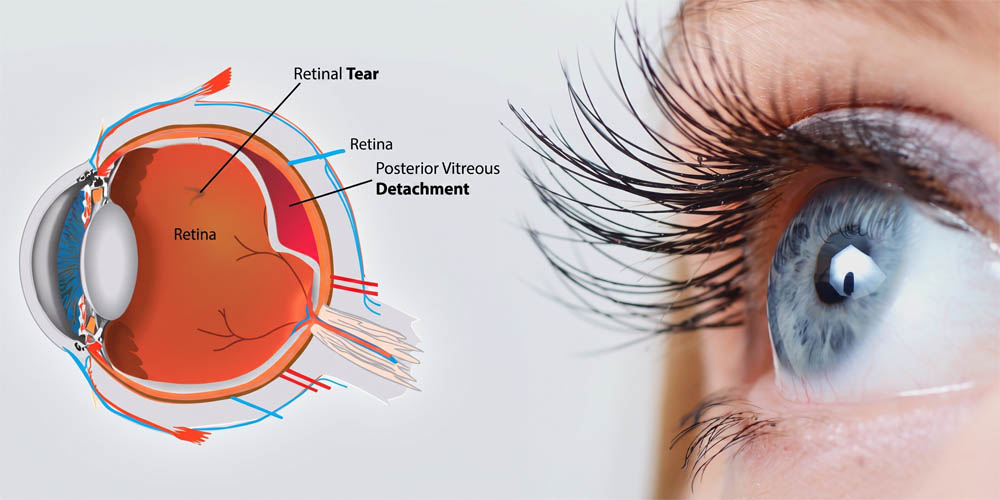
What is Vitreo Retinal Disease?
Vitreo retinal diseases affect the retina and the vitreous, the clear gel that fills the inside of the eye. These conditions may occur due to ageing, diabetes, trauma, high myopia, vascular disorders, or other underlying medical conditions.
Some retinal diseases develop gradually with few early symptoms, while others require urgent medical attention to prevent permanent vision loss. Regular eye examinations play an important role in early detection and successful management.
Common Vitreo Retinal Conditions We Treat
At Dr. Bhange Eye Hospital and Samarth Eye Clinic, we diagnose and manage a wide range of retinal and vitreous disorders, including:
- Diabetic Retinopathy
- Diabetic Macular Edema
- Retinal Detachment
- Retinal Tears
- Retinal Holes
- Age-Related Macular Degeneration (AMD)
- Macular Hole
- Epiretinal Membrane (Macular Pucker)
- Vitreous Hemorrhage
- Posterior Vitreous Detachment (PVD)
- Retinal Vein Occlusion
- Retinal Artery Occlusion
- Central Serous Chorioretinopathy (CSCR)
- Myopic Retinal Degeneration
- Ocular Trauma involving the Retina
- Inherited Retinal Disorders
Symptoms of Vitreo Retinal Disorders
Retinal diseases often develop without pain, making regular eye examinations especially important.
Common symptoms include:
- Sudden or gradual blurred vision
- Floaters
- Flashes of light
- Distorted or wavy vision
- Loss of central vision
- Dark curtain or shadow over vision
- Sudden loss of vision
- Difficulty reading
- Reduced colour perception
- Blind spots in the visual field
If you experience sudden flashes, new floaters, or a curtain-like shadow in your vision, seek immediate ophthalmic evaluation, as these may indicate a retinal tear or retinal detachment.
Causes of Vitreo Retinal Diseases
Retinal disorders may occur due to several underlying factors, including:
- Diabetes
- High blood pressure
- Age-related degeneration
- High myopia (severe nearsightedness)
- Eye injuries
- Previous eye surgery
- Retinal vascular diseases
- Inflammatory eye conditions
- Genetic retinal disorders
- Ageing changes in the vitreous
Who is at Risk?
You may have an increased risk of retinal disease if you:
- Have diabetes
- Have high blood pressure
- Are over 50 years of age
- Have high myopia
- Have a family history of retinal disease
- Have experienced eye trauma
- Have undergone previous eye surgery
- Smoke
- Have cardiovascular disease
Routine retinal examinations are especially important for high-risk individuals.
Why Early Diagnosis Matters
Many retinal diseases can progress silently before noticeable vision loss occurs. Early diagnosis allows timely treatment, which may help preserve vision, slow disease progression, and reduce the risk of permanent visual impairment.
Patients with diabetes should undergo regular retinal examinations even if they do not experience symptoms, as diabetic retinal disease often develops without early warning signs.
Comprehensive Retina Evaluation
At Dr. Bhange Eye Hospital and Samarth Eye Clinic, every patient undergoes a detailed retinal assessment to identify the underlying cause of visual symptoms and develop a personalized treatment plan.
Evaluation may include:
- Comprehensive Eye Examination
- Visual Acuity Assessment
- Dilated Retina Examination
- Optical Coherence Tomography (OCT)
- Fundus Photography
- Fluorescein Angiography (when clinically indicated)
- Intraocular Pressure Measurement
- Slit Lamp Biomicroscopy
- Ultrasound B-Scan (when required)
These investigations help our ophthalmologists accurately diagnose retinal disorders and determine the most appropriate treatment approach.
Treatment Options for Vitreo Retinal Diseases
Treatment depends on the type and severity of the retinal condition.
Depending on the diagnosis, treatment may include:
- Medical management
- Intravitreal Anti-VEGF Injections
- Retinal Laser Photocoagulation
- Focal/Grid Laser Treatment
- Panretinal Photocoagulation (PRP)
- Vitrectomy Surgery
- Retinal Detachment Surgery
- Cryotherapy (selected cases)
- Observation with regular retinal monitoring
Every treatment plan is individualized after a comprehensive retinal evaluation.
Advanced Vitreo Retinal Treatment in Pune
At Dr. Bhange Eye Hospital, Shukrawar Peth (Bajirao Road), and Samarth Eye Clinic, Anandnagar, Sinhagad Road, we provide comprehensive diagnosis and personalized treatment for a wide range of retinal and vitreous disorders. Using advanced ophthalmic technology and evidence-based clinical practices, our experienced ophthalmologists aim to diagnose retinal diseases at an early stage and recommend the most appropriate treatment to preserve vision.
With 35+ years of trusted eye care in Pune, we are committed to delivering ethical, patient-centred retina care for individuals of all age groups.
How Are Vitreo Retinal Diseases Diagnosed?
Early and accurate diagnosis is essential because many retinal diseases develop without pain and may not cause noticeable symptoms until vision is significantly affected.
Our retina evaluation includes:
1. Comprehensive Eye Examination
A detailed eye examination helps assess overall eye health, vision, and identify any abnormalities affecting the retina or vitreous.
2. Dilated Retina Examination
Special eye drops are used to dilate the pupils, allowing the ophthalmologist to examine the retina, optic nerve, and vitreous in detail.
3. Optical Coherence Tomography (OCT)
OCT provides high-resolution cross-sectional images of the retina, helping diagnose conditions such as:
- Diabetic Macular Edema
- Age-Related Macular Degeneration (AMD)
- Macular Hole
- Epiretinal Membrane
- Central Serous Chorioretinopathy (CSCR)
4. Fundus Photography
Digital retinal photographs help document retinal changes, monitor disease progression, and compare findings over time.
5. Fluorescein Angiography (When Clinically Indicated)
This imaging test evaluates retinal blood circulation and helps identify leaking blood vessels, retinal ischemia, and abnormal new vessel formation.
6. Ultrasound B-Scan
When the retina cannot be clearly visualized due to dense cataract or vitreous hemorrhage, ultrasound imaging helps evaluate the posterior segment of the eye.
Personalized Vitreo Retinal Treatment
Every retinal condition is different. After a comprehensive evaluation, our ophthalmologists develop an individualized treatment plan based on:
- Diagnosis
- Disease severity
- Age
- General health
- Vision requirements
- Presence of diabetes or hypertension
- Previous eye conditions
Medical Management
Some retinal conditions can initially be managed with careful observation, medications, or regular retinal monitoring.
Patients receive individualized follow-up schedules to monitor retinal health and detect any progression at an early stage.
Intravitreal Anti-VEGF Injection Therapy
Intravitreal Anti-VEGF injections are commonly recommended for retinal conditions involving abnormal blood vessel growth or fluid accumulation.
These injections may be used in conditions such as:
- Diabetic Macular Edema
- Wet Age-Related Macular Degeneration
- Retinal Vein Occlusion
- Certain forms of diabetic retinopathy
Treatment intervals vary depending on the individual condition and response to therapy.
Retinal Laser Treatment
Laser therapy plays an important role in managing several retinal disorders by helping stabilize retinal changes and reducing the risk of vision loss.
Laser treatment may be recommended for:
- Diabetic Retinopathy
- Retinal Tears
- Retinal Holes
- Retinal Vein Occlusion
- Selected vascular retinal diseases
Laser treatment is performed after careful evaluation and only when clinically indicated.
Vitrectomy Surgery
Vitrectomy is an advanced microsurgical procedure performed to treat complex retinal and vitreous disorders.
During vitrectomy, the vitreous gel is carefully removed to allow treatment of the underlying retinal condition.
Vitrectomy may be recommended for:
- Vitreous Hemorrhage
- Retinal Detachment
- Macular Hole
- Epiretinal Membrane
- Severe Eye Trauma
- Certain Diabetic Retinal Complications
The decision to perform vitrectomy is based on the patient’s diagnosis, symptoms, and retinal findings.
Retinal Detachment Management
Retinal detachment is an ophthalmic emergency that requires prompt evaluation and treatment.
Symptoms may include:
- Sudden increase in floaters
- Flashes of light
- Curtain-like shadow over vision
- Sudden vision loss
Depending on the type and severity of the detachment, treatment may include:
- Laser Photocoagulation
- Cryotherapy
- Pneumatic Retinopexy (selected cases)
- Scleral Buckling
- Vitrectomy Surgery
Early treatment offers the best chance of preserving vision.
Diabetic Retina Care
People living with diabetes are at increased risk of diabetic retinopathy and diabetic macular edema.
Regular retinal examinations are recommended even if vision appears normal, as diabetic retinal disease often progresses silently.
Management may include:
- Blood sugar control
- Retinal imaging
- Laser treatment
- Anti-VEGF injections
- Vitrectomy surgery when required
- Long-term retinal monitoring
Macular Disease Management
The macula is responsible for detailed central vision used for reading, driving, and recognizing faces.
Common macular disorders include:
- Age-Related Macular Degeneration
- Diabetic Macular Edema
- Macular Hole
- Epiretinal Membrane
- Central Serous Chorioretinopathy
Treatment depends on the underlying diagnosis and may include observation, injections, laser treatment, or surgery.
Benefits of Early Retina Treatment
Early diagnosis and timely intervention can help:
- Preserve vision
- Slow disease progression
- Reduce the risk of permanent vision loss
- Improve treatment outcomes
- Maintain independence in daily activities
- Support long-term eye health
- Detect retinal complications before symptoms become severe
Recovery After Retina Treatment
Recovery varies depending on the retinal condition and the treatment performed.
Following treatment, patients should:
- Use prescribed eye medications
- Attend scheduled follow-up visits
- Monitor vision changes
- Control diabetes and blood pressure if applicable
- Avoid strenuous activities if advised
- Report sudden vision changes immediately
Regular follow-up plays a vital role in achieving the best long-term visual outcomes.
Advanced Retina Care Technology
Accurate diagnosis is the foundation of successful retinal treatment.
At Dr. Bhange Eye Hospital and Samarth Eye Clinic, retina evaluation may include advanced ophthalmic technology such as:
- Optical Coherence Tomography (OCT)
- Digital Fundus Photography
- Fluorescein Angiography
- Slit Lamp Biomicroscopy
- Dilated Fundus Examination
- Ultrasound B-Scan
- Intraocular Pressure Assessment
These investigations help ensure precise diagnosis and personalized treatment planning.
Who Should Consult a Retina Specialist?
Retinal diseases often develop gradually and may not cause pain in the early stages. Anyone experiencing sudden or progressive changes in vision should undergo a comprehensive retinal examination.
You should consult a retina specialist if you experience:
- Sudden or gradual blurred vision
- Floaters or black spots
- Flashes of light
- Distorted or wavy vision
- Loss of central vision
- A curtain-like shadow over your vision
- Sudden vision loss
- Difficulty reading or recognizing faces
- Vision changes associated with diabetes
- High myopia (severe nearsightedness)
People with diabetes, high blood pressure, or a family history of retinal disease should also have regular retinal examinations even if they have no symptoms.
When Should You Seek Emergency Retina Care?
Some retinal conditions require urgent medical attention to reduce the risk of permanent vision loss.
Seek immediate ophthalmic evaluation if you notice:
- A sudden increase in floaters
- Bright flashes of light
- A dark curtain or shadow moving across your vision
- Sudden painless vision loss
- Significant distortion of central vision
- Eye injury followed by reduced vision
Prompt diagnosis and treatment are especially important in conditions such as retinal tears and retinal detachment.
Can Retinal Diseases Be Prevented?
While not all retinal diseases can be prevented, adopting healthy habits and attending regular eye examinations can reduce the risk of vision-threatening complications.
You can help protect your retinal health by:
- Controlling blood sugar if you have diabetes
- Managing blood pressure and cholesterol
- Scheduling routine comprehensive eye examinations
- Wearing protective eyewear during sports or hazardous work
- Avoiding smoking
- Eating a balanced diet rich in leafy green vegetables and fruits
- Maintaining a healthy weight and regular physical activity
- Seeking immediate care for sudden vision changes
Life After Retina Treatment
Recovery depends on the underlying retinal condition and the treatment performed. Some patients notice improvement within days, while others require a longer recovery period.
To support healing:
- Use prescribed eye drops and medications as directed.
- Attend all follow-up appointments.
- Control diabetes and blood pressure if applicable.
- Avoid strenuous activities if advised.
- Report any sudden changes in vision immediately.
- Follow your ophthalmologist’s recommendations regarding work, travel, and exercise.
Long-term monitoring is essential for many retinal conditions, particularly diabetic retinopathy and age-related macular degeneration.
What Happens If Retinal Diseases Are Left Untreated?
Ignoring retinal symptoms can lead to progressive vision loss and, in some cases, permanent blindness.
Potential complications include:
- Permanent reduction in vision
- Retinal detachment
- Macular damage
- Vitreous hemorrhage
- Loss of central vision
- Difficulty reading or driving
- Reduced independence in daily activities
Early diagnosis offers the best opportunity to preserve vision.
Frequently Ask Questions
-
What is vitreo retinal disease?
Vitreo retinal disease refers to conditions affecting the retina and the vitreous gel inside the eye. These disorders can impair vision and may require medical treatment, laser therapy, injections, or surgery.
-
What are the early symptoms of retinal disease?
Common symptoms include blurred vision, floaters, flashes of light, distorted vision, reduced central vision, and sudden vision loss.
-
Who should undergo regular retinal examinations?
People with diabetes, high blood pressure, high myopia, previous eye surgery, retinal disease, or a family history of retinal disorders should have regular retinal evaluations.
-
Can retinal diseases cause blindness?
Yes. If left untreated, certain retinal diseases can lead to permanent vision loss. Early diagnosis and timely treatment significantly improve outcomes.
-
What is OCT?
Optical Coherence Tomography (OCT) is a non-invasive imaging test that produces detailed cross-sectional images of the retina, helping diagnose and monitor many retinal conditions.
-
Are retinal injections painful?
Intravitreal injections are performed using local anaesthetic eye drops. Most patients experience minimal discomfort during the procedure.
-
What is vitrectomy surgery?
Vitrectomy is an advanced microsurgical procedure that removes the vitreous gel to allow treatment of complex retinal disorders such as retinal detachment, vitreous hemorrhage, and macular hole.
-
Is retinal laser treatment safe?
Retinal laser treatment is a well-established procedure commonly used to manage selected retinal diseases. Your ophthalmologist will determine whether it is appropriate for your condition.
-
Can diabetic retinopathy be cured?
Diabetic retinopathy cannot always be completely reversed, but early diagnosis and timely treatment can help slow progression and preserve vision.
-
How often should people with diabetes have a retinal examination?
Most people with diabetes should undergo a comprehensive dilated retinal examination at least once a year, or more frequently if advised by their ophthalmologist.
-
What are floaters?
Floaters are tiny spots or thread-like shapes that drift across your field of vision. A sudden increase in floaters, especially with flashes of light, should be evaluated promptly.
-
What causes retinal detachment?
Retinal detachment may occur due to retinal tears, severe myopia, eye trauma, previous eye surgery, or age-related changes in the vitreous.
-
Can retinal diseases be prevented?
Although not all retinal diseases can be prevented, controlling diabetes, managing blood pressure, maintaining a healthy lifestyle, and attending regular eye examinations can reduce the risk of complications.
-
How do I know if I need a retina specialist?
If you experience sudden vision changes, flashes, floaters, distorted vision, or have diabetes with vision concerns, consult an ophthalmologist for a retinal evaluation.
-
Where can I get vitreo retinal treatment in Pune?
Dr. Bhange Eye Hospital, Shukrawar Peth (Bajirao Road), and Samarth Eye Clinic, Anandnagar, Sinhagad Road, provide comprehensive retina evaluation and personalized treatment using advanced diagnostic technology and evidence-based ophthalmic care.
Why Choose Dr. Bhange Eye Hospital & Samarth Eye Clinic?
For over 35 years, patients across Pune have trusted Dr. Bhange Eye Hospital, Shukrawar Peth (Bajirao Road), and Samarth Eye Clinic, Anandnagar, Sinhagad Road, for comprehensive retinal care.
Our Strengths
- 35+ Years of Trusted Eye Care in Pune
- Experienced ophthalmologists
- Comprehensive retina evaluation
- Advanced retinal imaging and diagnostics
- Personalized treatment planning
- Modern laser and vitreoretinal treatment options
- Ethical, evidence-based clinical care
- Patient-centred approach
- Long-term follow-up and retinal monitoring
- Convenient locations in central Pune and Sinhagad Road
Book Your Retina Consultation in Pune
If you are experiencing blurred vision, floaters, flashes of light, distortion, or any sudden change in vision, do not delay an eye examination. Early diagnosis and timely treatment are essential to protecting your eyesight.
At Dr. Bhange Eye Hospital, Shukrawar Peth (Bajirao Road), and Samarth Eye Clinic, Anandnagar, Sinhagad Road, our experienced ophthalmologists provide comprehensive retinal evaluation and personalized treatment using advanced diagnostic technology and evidence-based clinical practices.
Schedule your retina consultation today and take an important step toward protecting your vision with expert vitreo retinal care in Pune.
Is your vision affecting daily life? Don’t delay treatment.
Even minor eye symptoms can worsen over time if left untreated. Consult our experienced eye specialists early for safe, effective, and personalized eye care. Visit Samartha Eye Clinic Sinhagad Road or Dr Bhange eye hospital in Shukrawar Peth Pune for timely diagnosis and expert ophthalmology treatment.
Contact Now: +91 9822146567 / +91 9422365690
Dr. Bhange Eye Hospital
- 1 st floor, Parshwanath Residency, 1333, Shukrawar Peth, Opp. Kumar Prestige Point, Bajirao Road, Pune
- +91 20 24470284
- +91 9422365690
Samarth Eye Clinic
- 6, Triveni Apartment, 1st Floor, Near Santosh Hall, Anandnagar, Sinhagad Road, Pune – 411 051
- +91 20 24358283
- +91 9822146567
Diabetic Retinopathy Treatment in Pune | Glaucoma Treatment in Pune | ICL Surgery In Pune | LASIK Eye Surgery In Pune | Affordable Cataract Surgery in Pune | Squint Eye Treatment in Pune | Vitreo Retinal Treatment In Pune | Phacoemulsification Cataract Surgery in Pune | Eye Specialist in Sinhgad Road Pune | Eye Clinic Near Me | Oculoplasty Surgeon in Pune | Oculoplasty Surgeon Near Me
Dr. Bhange Eye Hospital © 2026 All Right Reserved. Designed & Developed by Clarosys Technologies.