- 1st floor, Parshwanath Residency, Shukrawar Peth, Opp. Kumar Prestige Point, Bajirao Road, Pune.
6, Triveni Apartment, 1st Floor, Near Santosh Hall, Anandnagar, Sinhagad Road, Pune.
x

Dr. Bhange Eye Hospital, Bajirao Road, Pune.
Samarth Eye Clinic, Sinhgad Road, Pune
Glaucoma Treatment in Pune
- Home
- Glaucoma Treatment in Pune
- All Treatment
- Cataract Surgery
- Common Eye Problems
- Corneal Diseases and Disorders
- Diabetic Eye Disease
- Dry Eye Syndrome
- Eyelid Diseases and Disorders
- Glaucoma Treatment and Surgery
- Macular Diseases and Disorders
- Neurological Eye Diseases and Disorders
- Retinal Diseases and Disorders
- Uveitis and Iritis
- Squint Treatment
- Oculoplasty Surgery
- Lacrimal Disorders
Glaucoma Treatment in Pune
Glaucoma Treatment at Dr. Bhange Eye Hospital (Shukrawar Peth) & Samarth Eye Clinic (Sinhagad Road), Pune
Glaucoma is a group of eye diseases that gradually damage the optic nerve, often due to increased intraocular pressure (IOP). It is one of the leading causes of irreversible blindness worldwide because vision loss usually occurs slowly and without noticeable symptoms in the early stages. Early diagnosis, regular eye examinations, and timely treatment are essential to preserve vision and prevent permanent damage.
At Dr. Bhange Eye Hospital, Shukrawar Peth (Bajirao Road), and Samarth Eye Clinic, Anandnagar, Sinhagad Road, we provide comprehensive glaucoma diagnosis and treatment using advanced ophthalmic technology and evidence-based care. With 35+ years of trusted eye care in Pune, our experienced ophthalmologists focus on early detection, personalized treatment plans, and long-term management to help patients protect their eyesight.
Whether you require routine glaucoma screening, medication, laser therapy, or glaucoma surgery, our team is committed to delivering ethical, patient-centered, and technologically advanced eye care tailored to your individual needs.
What is Glaucoma?
Glaucoma is a chronic eye condition that damages the optic nerve, which carries visual information from the eye to the brain. In many cases, the damage occurs because the pressure inside the eye becomes too high. However, glaucoma can also develop in people with normal eye pressure.The disease progresses gradually and often causes permanent loss of peripheral (side) vision before affecting central vision. Because early glaucoma usually has no warning signs, many patients remain unaware of the condition until significant vision loss has already occurred.
Regular eye examinations are the most effective way to detect glaucoma early and begin treatment before irreversible optic nerve damage develops.

Why Early Detection is Important
Glaucoma is often called the “Silent Thief of Sight” because it can progress without pain or noticeable symptoms. Once vision is lost due to glaucoma, it cannot be restored. However, early diagnosis and appropriate treatment can slow or stop the progression of the disease.
Early detection helps:
- Preserve remaining vision
- Prevent permanent optic nerve damage
- Reduce the risk of severe vision loss
- Delay or avoid the need for surgery
- Improve long-term quality of life
At Dr. Bhange Eye Hospital and Samarth Eye Clinic, we recommend regular comprehensive eye examinations, especially for individuals at higher risk of glaucoma.

Perimetry

Open Angle Glaucoma

Dermatochalasis
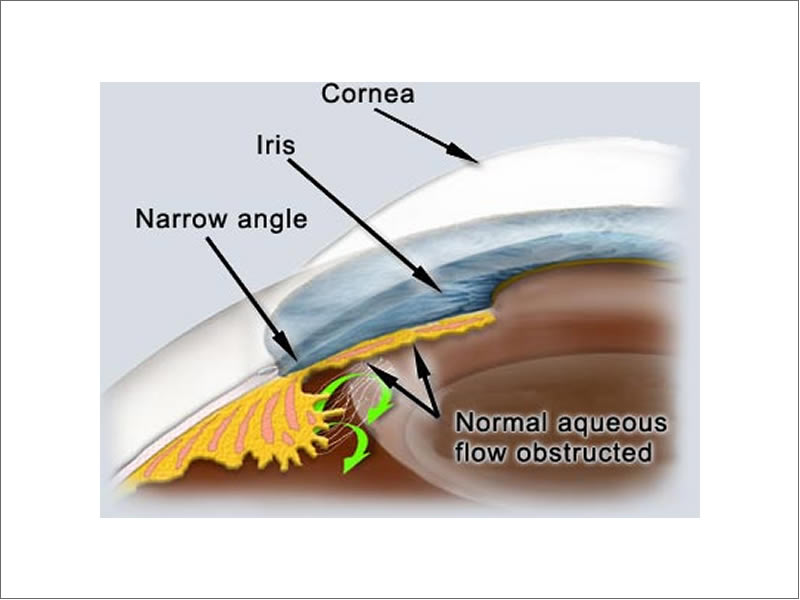
Narrow Angle Glaucoma

Inflammatory Glaucoma
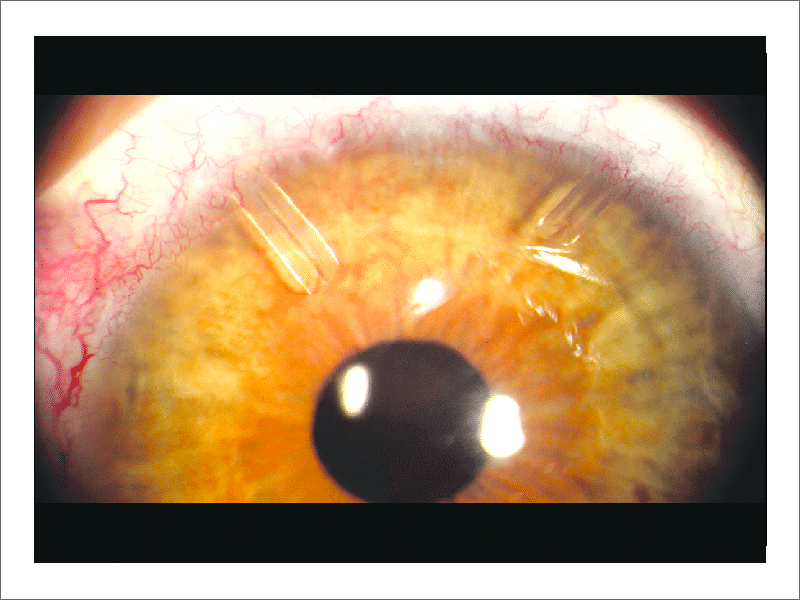
Glaucoma Valve Surgery

Tear Duct Obstructions

Laser PBI Surgery

Laser PBI Surgery
Types of Glaucoma
Primary Open-Angle Glaucoma
The most common form of glaucoma. It develops gradually as the eye’s drainage system becomes less efficient, leading to increased eye pressure and progressive optic nerve damage.
Angle-Closure Glaucoma
Occurs when the drainage angle inside the eye becomes blocked, causing a sudden increase in eye pressure. This is a medical emergency that requires immediate treatment.
Normal-Tension Glaucoma
Optic nerve damage occurs despite normal intraocular pressure. Reduced blood flow or increased sensitivity of the optic nerve may contribute to this condition.
Congenital Glaucoma
A rare form present at birth due to abnormal development of the eye’s drainage system. Early diagnosis and treatment are essential to preserve vision in children.
Secondary Glaucoma
Develops as a result of another eye disease, injury, inflammation, prolonged steroid use, or certain medical conditions.
Causes of Glaucoma
The exact cause depends on the type of glaucoma, but common contributing factors include:
- Increased intraocular pressure (IOP)
- Poor drainage of aqueous fluid
- Optic nerve vulnerability
- Genetic factors
- Eye injury
- Long-term steroid use
- Diabetes
- High blood pressure
- Previous eye surgery
- Inflammatory eye diseases
Who is at Risk?
Anyone can develop glaucoma, but the risk increases with:
- Age over 40 years
- Family history of glaucoma
- Diabetes
- High blood pressure
- Long-term steroid use
- High eye pressure
- Severe nearsightedness or farsightedness
- Previous eye injuries
- Thin corneas
- Certain ethnic backgrounds
People with these risk factors should undergo regular glaucoma screening, even if they have no symptoms.
Symptoms of Glaucoma
In its early stages, glaucoma often causes no symptoms. As the disease progresses, patients may experience:
- Gradual loss of peripheral vision
- Blurred vision
- Eye pain (especially in angle-closure glaucoma)
- Headaches
- Halos around lights
- Redness of the eye
- Nausea and vomiting (acute angle-closure glaucoma)
- Difficulty seeing in low light
- Tunnel vision in advanced stages
Any sudden onset of severe eye pain, blurred vision, or halos around lights requires immediate medical attention.
How is Glaucoma Diagnosed?
A comprehensive eye examination is essential for accurate diagnosis. At Dr. Bhange Eye Hospital and Samarth Eye Clinic, glaucoma evaluation may include:
- Measurement of intraocular pressure (Tonometry)
- Optic nerve examination
- Visual field testing (Perimetry)
- Optical Coherence Tomography (OCT)
- Gonioscopy to examine the drainage angle
- Pachymetry to measure corneal thickness
- Retinal imaging and optic nerve photography
These advanced diagnostic tests help detect glaucoma at an early stage and guide the most appropriate treatment plan.
Advanced Glaucoma Treatment in Pune
The primary goal of glaucoma treatment is to lower intraocular pressure (IOP) and prevent further damage to the optic nerve. While vision already lost due to glaucoma cannot usually be restored, timely diagnosis and appropriate treatment can significantly slow or stop disease progression, helping preserve remaining vision and maintain quality of life.
At Dr. Bhange Eye Hospital, Shukrawar Peth (Bajirao Road), and Samarth Eye Clinic, Anandnagar, Sinhagad Road, we provide personalized glaucoma treatment based on the type and severity of the disease, the patient’s overall eye health, and individual risk factors. Our experienced ophthalmologists use evidence-based treatment protocols supported by advanced diagnostic technology to ensure the most appropriate care.
Glaucoma Treatment Options
The treatment plan for glaucoma varies depending on the stage of the disease, the level of eye pressure, optic nerve health, and the patient’s response to therapy.
1. Glaucoma Eye Drops
Prescription eye drops are often the first line of treatment for glaucoma. These medications help lower intraocular pressure by either reducing the production of aqueous fluid or improving its drainage from the eye.
Patients should use glaucoma medications exactly as prescribed and attend regular follow-up appointments to monitor treatment effectiveness and adjust medications if required.
2. Oral Medications
In certain situations, oral medications may be recommended for short-term control of eye pressure, particularly in acute glaucoma or when additional pressure reduction is needed before surgery.
3. Laser Treatment for Glaucoma
Laser procedures are minimally invasive treatment options that improve the drainage of fluid within the eye and help lower intraocular pressure.
Depending on the type of glaucoma, laser treatment may include:
- Laser Trabeculoplasty for open-angle glaucoma
- Laser Peripheral Iridotomy for angle-closure glaucoma
- Cyclophotocoagulation in selected advanced cases
Laser treatment is generally performed as an outpatient procedure and usually allows patients to return home the same day.
Glaucoma Surgery
When medications and laser treatment are not sufficient to control eye pressure, glaucoma surgery may be recommended to protect the optic nerve and preserve vision.
Trabeculectomy
Trabeculectomy is one of the most commonly performed glaucoma surgeries. It creates a new drainage pathway that allows excess aqueous fluid to leave the eye, helping reduce intraocular pressure.
Glaucoma Drainage Devices
In selected patients, drainage implants or tubes may be used to improve fluid drainage and maintain long-term pressure control.
Minimally Invasive Glaucoma Surgery (MIGS)
MIGS procedures involve smaller surgical incisions and are designed to lower eye pressure with reduced recovery time. These procedures may be appropriate for selected patients with mild to moderate glaucoma.
Your ophthalmologist will recommend the most suitable surgical approach after a comprehensive eye examination and discussion of your individual needs.
Advanced Technology for Glaucoma Diagnosis and Management
Accurate diagnosis and continuous monitoring are essential for successful glaucoma management.
At Dr. Bhange Eye Hospital and Samarth Eye Clinic, we utilize modern ophthalmic equipment to evaluate the optic nerve, measure eye pressure, and monitor disease progression with precision.
Our diagnostic approach may include:
- Optical Coherence Tomography (OCT)
- Digital Optic Nerve Imaging
- Automated Visual Field Testing
- Goldmann Applanation Tonometry
- Gonioscopy
- Pachymetry
- Comprehensive Dilated Eye Examination
These technologies help detect glaucoma in its early stages and support evidence-based treatment planning.
Recovery After Glaucoma Treatment
Recovery varies depending on the type of treatment received.
Patients treated with medications typically continue routine activities while attending scheduled follow-up visits.
After laser treatment or surgery, temporary precautions may include:
- Using prescribed eye drops regularly
- Avoiding heavy lifting for a short period
- Keeping the eye clean
- Protecting the eye from injury
- Attending follow-up appointments as advised
Our team provides detailed postoperative instructions to support a smooth recovery and monitor eye pressure during healing.
Can Glaucoma Be Prevented?
Although glaucoma cannot always be prevented, early detection significantly reduces the risk of permanent vision loss.
To protect your vision:
- Schedule regular comprehensive eye examinations
- Monitor eye pressure if you are at risk
- Control diabetes and blood pressure
- Inform your ophthalmologist about your family history
- Avoid unnecessary steroid use without medical advice
- Follow prescribed treatment consistently
- Attend regular follow-up appointments
Routine eye examinations remain the most effective strategy for detecting glaucoma before noticeable vision loss occurs.
Living with Glaucoma
Glaucoma is a lifelong condition for many patients, but with early diagnosis, regular monitoring, and adherence to treatment, most people can continue to lead active and independent lives.
Successful glaucoma management depends on partnership between the patient and the ophthalmologist. Consistent follow-up, proper use of medications, and awareness of changes in vision are essential for preserving eyesight over the long term.
Frequently Ask Questions
-
What are the early symptoms of glaucoma?
Early glaucoma often has no symptoms. As the disease progresses, patients may notice loss of peripheral vision, blurred vision, or halos around lights.
-
Can glaucoma cause blindness?
Yes. Untreated glaucoma is one of the leading causes of irreversible blindness. Early diagnosis and appropriate treatment significantly reduce this risk.
-
Can glaucoma be cured?
While glaucoma cannot usually be cured, modern treatments can effectively control eye pressure and slow disease progression.
-
Can glaucoma be prevented?
Glaucoma cannot always be prevented because factors such as age, genetics, and certain medical conditions can increase the risk of developing the disease. However, early detection and timely treatment can significantly reduce the risk of permanent vision loss by slowing or preventing further damage to the optic nerve.
-
What tests are used to diagnose glaucoma?
Diagnosis may include tonometry, OCT, visual field testing, gonioscopy, pachymetry, optic nerve evaluation, and a comprehensive eye examination.
-
Is glaucoma surgery safe?
Glaucoma surgery is a well-established procedure. Your ophthalmologist will recommend the most appropriate option based on your condition.
-
How often should glaucoma patients have follow-up visits?
The frequency depends on the severity of glaucoma and treatment response. Regular follow-up appointments are essential to monitor eye pressure and optic nerve health.
-
Does glaucoma always require surgery?
No. Many patients can successfully manage glaucoma with medications or laser treatment. Surgery is recommended only when necessary.
-
What happens if glaucoma is left untreated?
Untreated glaucoma can lead to progressive optic nerve damage, permanent vision loss, and eventually blindness.
-
Can diabetes increase the risk of glaucoma?
Yes. Diabetes may increase the risk of certain types of glaucoma. Regular eye examinations are important for individuals with diabetes.
-
Where can I get glaucoma treatment in Pune?
Dr. Bhange Eye Hospital, Shukrawar Peth (Bajirao Road), and Samarth Eye Clinic, Anandnagar, Sinhagad Road, provide comprehensive glaucoma screening, diagnosis, medical management, laser treatment, and surgical care using advanced ophthalmic technology and evidence-based treatment protocols.
-
What is the treatment for glaucoma?
The most appropriate glaucoma treatment depends on the type and severity of the disease. Early-stage glaucoma is commonly managed with prescription eye drops and regular monitoring, while laser procedures or glaucoma surgery may be recommended when additional pressure control is required. Early diagnosis, regular follow-up, and personalized treatment are essential to preserve vision.
Why Patients Trust Dr. Bhange Eye Hospital & Samarth Eye Clinic
Patients across Pune choose Dr. Bhange Eye Hospital, Shukrawar Peth (Bajirao Road), and Samarth Eye Clinic, Anandnagar, Sinhagad Road, because of our commitment to ethical ophthalmic care, advanced diagnostic technology, and personalized treatment.
Our strengths include:
- 35+ years of trusted eye care in Pune
- Comprehensive glaucoma diagnosis and treatment
- Experienced ophthalmologists
- Modern diagnostic and surgical infrastructure
- Evidence-based treatment protocols
- Ethical and transparent medical practice
- Personalized care for every patient
- Convenient locations in Shukrawar Peth and Sinhagad Road
- Long-term follow-up for lifelong glaucoma management
Book an Appointment for Glaucoma Treatment in Pune
Glaucoma is a progressive eye disease that often develops without noticeable symptoms. Early diagnosis and timely treatment play a crucial role in preserving vision and preventing irreversible optic nerve damage.
If you are experiencing changes in vision, have a family history of glaucoma, or have diabetes or high eye pressure, schedule a comprehensive eye examination with our experienced ophthalmologists.
At Dr. Bhange Eye Hospital, Shukrawar Peth (Bajirao Road), and Samarth Eye Clinic, Anandnagar, Sinhagad Road, we provide advanced glaucoma diagnosis, personalized treatment, laser therapy, and surgical care using modern ophthalmic technology and evidence-based medical practices.
Protect your vision with timely glaucoma screening and expert eye care. Contact us today to book your appointment.
Is your vision affecting daily life? Don’t delay treatment.
Even minor eye symptoms can worsen over time if left untreated. Consult our experienced eye specialists early for safe, effective, and personalized eye care. Visit Samartha Eye Clinic Sinhagad Road or Dr Bhange eye hospital in Shukrawar Peth Pune for timely diagnosis and expert ophthalmology treatment.
Contact Now: +91 9822146567 / +91 9422365690
Dr. Bhange Eye Hospital
- 1 st floor, Parshwanath Residency, 1333, Shukrawar Peth, Opp. Kumar Prestige Point, Bajirao Road, Pune
- +91 20 24470284
- +91 9422365690
Samarth Eye Clinic
- 6, Triveni Apartment, 1st Floor, Near Santosh Hall, Anandnagar, Sinhagad Road, Pune – 411 051
- +91 20 24358283
- +91 9822146567
Diabetic Retinopathy Treatment in Pune | Glaucoma Treatment in Pune | ICL Surgery In Pune | LASIK Eye Surgery In Pune | Affordable Cataract Surgery in Pune | Squint Eye Treatment in Pune | Vitreo Retinal Treatment In Pune | Phacoemulsification Cataract Surgery in Pune | Eye Specialist in Sinhgad Road Pune | Eye Clinic Near Me | Oculoplasty Surgeon in Pune | Oculoplasty Surgeon Near Me
Dr. Bhange Eye Hospital © 2026 All Right Reserved. Designed & Developed by Clarosys Technologies.