- 1st floor, Parshwanath Residency, Shukrawar Peth, Opp. Kumar Prestige Point, Bajirao Road, Pune.
6, Triveni Apartment, 1st Floor, Near Santosh Hall, Anandnagar, Sinhagad Road, Pune.
x

Dr. Bhange Eye Hospital, Bajirao Road, Pune.
Samarth Eye Clinic, Sinhgad Road, Pune
Squint Eye Treatment in Pune | Dr. Bhange Eye Hospital
- Home
- Squint Eye Treatment in Pune
- All Treatment
- Cataract Surgery
- Common Eye Problems
- Corneal Diseases and Disorders
- Diabetic Eye Disease
- Dry Eye Syndrome
- Eyelid Diseases and Disorders
- Glaucoma Treatment and Surgery
- Macular Diseases and Disorders
- Neurological Eye Diseases and Disorders
- Retinal Diseases and Disorders
- Uveitis and Iritis
- Squint Treatment
- Oculoplasty Surgery
- Lacrimal Disorders
Squint Eye Treatment in Pune
Squint Eye Treatment at Dr. Bhange Eye Hospital (Shukrawar Peth) & Samarth Eye Clinic (Sinhagad Road), Pune
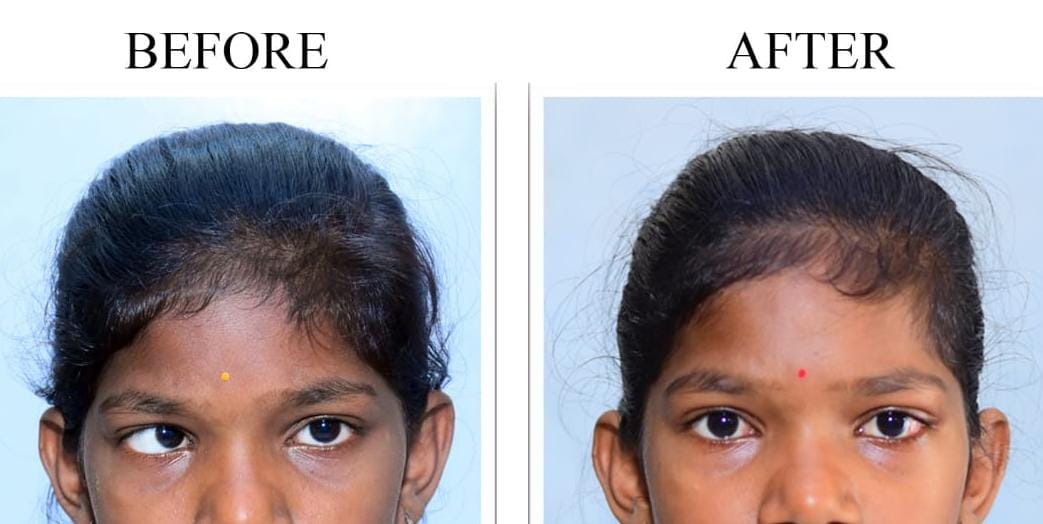
Squint, also known as strabismus, is a condition in which the eyes do not align properly and point in different directions. One eye may look straight ahead while the other turns inward, outward, upward, or downward. Squint can affect both children and adults and, if left untreated, may lead to reduced vision, poor depth perception, double vision, or amblyopia (lazy eye).
At Dr. Bhange Eye Hospital, Shukrawar Peth (Bajirao Road), and Samarth Eye Clinic, Anandnagar, Sinhagad Road, we provide comprehensive diagnosis and personalized treatment for various types of squint using advanced ophthalmic evaluation and evidence-based treatment protocols. With 35+ years of trusted eye care in Pune, our experienced ophthalmologists are committed to improving eye alignment, binocular vision, and overall visual function for patients of all age groups.
Whether the squint is present from birth, develops during childhood, or appears later in adulthood, early evaluation and timely treatment can significantly improve visual outcomes.
What is Squint (Strabismus)?
Squint, medically known as strabismus, is a condition where the eyes are not properly aligned because the eye muscles do not work together in a coordinated manner. As a result, one eye focuses on an object while the other turns in a different direction.Squint may be constant or intermittent and can affect one or both eyes. Without appropriate treatment, the brain may begin to ignore the image from the misaligned eye, increasing the risk of amblyopia (lazy eye), particularly in children.

Types of Squint
Esotropia (Inward Squint)
One eye turns inward toward the nose. This is one of the most common forms of squint in children.
Exotropia (Outward Squint)
One eye turns outward, especially when looking at distant objects or when tired.
Hypertropia
One eye is positioned higher than the other because of vertical eye misalignment.
Hypotropia
One eye is positioned lower than the other.
Congenital Squint
Present at birth or develops within the first few months of life.
Acquired Squint
Develops later in childhood or adulthood due to refractive errors, neurological disorders, trauma, or other medical conditions.
Symptoms of Squint
Symptoms may include:
- Misaligned eyes
- One eye turning inward or outward
- Double vision (particularly in adults)
- Difficulty focusing
- Poor depth perception
- Frequent blinking or squinting
- Head tilting to improve vision
- Eye strain
- Closing one eye in bright sunlight
- Reduced vision in one eye (amblyopia)
Causes of Squint
Squint can develop due to several factors, including:
- Eye muscle imbalance
- Uncorrected refractive errors
- Congenital eye conditions
- Family history of strabismus
- Premature birth
- Neurological disorders
- Eye injuries
- Diabetes-related nerve damage (in adults)
- Stroke affecting eye muscle control
- Thyroid eye disease
Who is at Risk?
Individuals at higher risk include:
- Children with a family history of squint
- Premature babies
- Children with significant refractive errors
- Individuals with cerebral palsy or developmental disorders
- Adults with diabetes
- Patients with neurological disorders
- Individuals with thyroid eye disease
- People who have suffered eye or head injuries
Why Early Diagnosis is Important
Early diagnosis is particularly important in children because untreated squint can lead to amblyopia (lazy eye), where vision in one eye does not develop normally. Prompt treatment helps improve eye alignment, visual development, and binocular vision.
Adults who develop squint should also seek immediate evaluation, as sudden eye misalignment may indicate an underlying neurological or medical condition.
Comprehensive Squint Evaluation
At Dr. Bhange Eye Hospital and Samarth Eye Clinic, evaluation may include:
- Comprehensive Eye Examination
- Visual Acuity Testing
- Cycloplegic Refraction
- Binocular Vision Assessment
- Orthoptic Evaluation
- Ocular Motility Examination
- Cover Test
- Prism Testing
- Dilated Fundus Examination
- Neurological Evaluation (when clinically indicated)
These investigations help determine the cause, type, and severity of squint, allowing our ophthalmologists to create a personalized treatment plan.
Treatment Options for Squint
Treatment depends on the patient’s age, the type of squint, and its underlying cause.
Possible treatment options include:
- Prescription glasses
- Prism glasses
- Vision therapy (selected cases)
- Amblyopia (lazy eye) treatment
- Eye patching (when indicated)
- Eye muscle exercises (selected cases)
- Botulinum toxin injections (in selected cases)
- Squint (strabismus) surgery
- Management of underlying neurological or systemic conditions
The most appropriate treatment is determined after a detailed ophthalmic evaluation.
Advanced Squint Eye Treatment in Pune
At Dr. Bhange Eye Hospital, Shukrawar Peth (Bajirao Road), and Samarth Eye Clinic, Anandnagar, Sinhagad Road, we provide comprehensive diagnosis and personalized treatment for children and adults with squint (strabismus). Every patient undergoes a detailed eye examination to identify the type, cause, and severity of the squint before recommending the most appropriate treatment plan.
With 35+ years of trusted eye care in Pune, our experienced ophthalmologists focus on restoring proper eye alignment, improving binocular vision, and preserving long-term visual health through evidence-based ophthalmic care.
How is Squint Treated?
Squint treatment depends on several factors, including the patient’s age, the type of squint, the severity of eye misalignment, and any associated eye conditions such as refractive errors or amblyopia (lazy eye).
Some patients may only require spectacles or vision therapy, while others may benefit from squint surgery to improve eye alignment and binocular vision.
Non-Surgical Treatment for Squint
Not every patient with squint requires surgery.
Depending on the diagnosis, treatment may include:
Prescription Glasses
Correcting refractive errors can significantly improve eye alignment in some patients, especially children with accommodative esotropia.
Prism Glasses
Prism lenses help reduce double vision in selected patients by improving image alignment.
Lazy Eye (Amblyopia) Treatment
Children with amblyopia may require eye patching or other therapies to encourage normal visual development before or alongside squint treatment.
Vision Therapy
Selected patients may benefit from supervised vision therapy exercises to improve binocular coordination and eye muscle control.
Squint Surgery
Squint surgery is performed to improve the alignment of the eyes by repositioning one or more of the eye muscles.
The procedure aims to:
- Improve eye alignment
- Enhance binocular vision
- Reduce or eliminate double vision in selected patients
- Improve depth perception
- Enhance facial appearance and confidence
- Support normal visual development in children
The need for surgery is determined only after a comprehensive ophthalmic evaluation.
How is Squint Surgery Performed?
Squint surgery is generally performed as a day-care procedure.
During surgery:
- Local or general anaesthesia is used depending on the patient’s age and clinical requirements.
- Small incisions are made on the surface of the eye.
- One or more eye muscles are carefully adjusted to improve alignment.
- No external stitches are usually visible.
- Patients are generally discharged on the same day unless additional observation is required.
Benefits of Early Squint Treatment
Early diagnosis and treatment provide the best opportunity for successful visual development and eye alignment.
Benefits include:
- Improved eye alignment
- Better binocular vision
- Enhanced depth perception
- Reduced risk of amblyopia in children
- Improved visual comfort
- Reduction in double vision
- Better cosmetic appearance
- Increased confidence and quality of life
- Improved school and work performance
- Better long-term visual outcomes
Pediatric Squint Treatment
Squint is one of the most common eye conditions affecting children.
Early diagnosis is essential because untreated squint may interfere with normal visual development and increase the risk of amblyopia (lazy eye).
Our pediatric squint evaluation includes:
- Vision assessment
- Cycloplegic refraction
- Eye alignment testing
- Binocular vision assessment
- Amblyopia evaluation
- Long-term follow-up
Treatment is individualized according to each child’s age, eye condition, and developmental needs.
Adult Squint Treatment
Squint can also develop during adulthood due to:
- Diabetes
- Thyroid eye disease
- Stroke
- Neurological disorders
- Eye injuries
- Previous eye surgery
Adult squint often presents with double vision or noticeable eye misalignment. Comprehensive evaluation helps identify the underlying cause and determine the most appropriate treatment.
Advanced Diagnostic Technology
Accurate diagnosis is the foundation of successful squint treatment.
At Dr. Bhange Eye Hospital and Samarth Eye Clinic, evaluation may include:
Digital Vision Assessment
Measures visual acuity and refractive errors accurately.
Orthoptic Evaluation
Assesses binocular vision, eye coordination, and eye muscle function.
Prism Testing
Measures the degree of eye deviation to assist in treatment planning.
Cycloplegic Refraction
Provides an accurate assessment of refractive errors, especially in children.
Slit Lamp Examination
Evaluates the health of the anterior structures of the eye.
Dilated Retina Examination
Assesses retinal health and identifies associated eye conditions.
Is Squint Treatment Safe?
Squint treatment is generally safe when performed after a thorough ophthalmic evaluation and individualized treatment planning.
Whether treatment involves spectacles, vision therapy, or surgery, every recommendation is based on the patient’s eye condition, age, and visual requirements.
At Dr. Bhange Eye Hospital and Samarth Eye Clinic, we follow evidence-based clinical practices and personalized care to achieve the best possible functional and cosmetic outcomes.
Possible Risks and Complications
Like any medical or surgical treatment, squint treatment may have potential risks depending on the chosen approach.
Possible complications may include:
- Temporary redness
- Mild eye discomfort
- Temporary double vision
- Under-correction or over-correction
- Need for additional treatment in selected cases
- Infection (rare)
- Scarring (uncommon)
Our ophthalmologists discuss the expected benefits, possible risks, and postoperative care with every patient before treatment.
Who Should Consult a Squint Specialist?
Anyone who notices persistent eye misalignment, double vision, or abnormal eye movements should undergo a comprehensive eye examination. Early diagnosis is particularly important in children, as untreated squint can affect normal visual development and may lead to amblyopia (lazy eye).
You should consult a squint specialist if you or your child experience:
- One eye turning inward, outward, upward, or downward
- Crossed eyes
- Double vision
- Frequent head tilting
- Closing one eye in bright sunlight
- Poor depth perception
- Eye strain while reading or focusing
- Difficulty maintaining eye contact
- Family history of squint
- Eye misalignment after an injury or neurological condition
Can Squint Be Treated Without Surgery?
Yes. Not every patient with squint requires surgery.
Depending on the type and cause of the squint, treatment may include:
- Prescription glasses
- Prism glasses
- Treatment for refractive errors
- Amblyopia (lazy eye) therapy
- Eye patching
- Vision therapy (selected cases)
- Observation with regular follow-up
Surgery is recommended only when non-surgical treatments cannot adequately improve eye alignment or binocular vision.
Recovery After Squint Surgery
Recovery varies from patient to patient.
Following surgery, patients may experience:
- Mild redness
- Temporary watering
- Slight irritation
- Mild foreign body sensation
Most patients can gradually return to their routine activities within a short period, following the advice of their ophthalmologist.
To support healing:
- Use prescribed eye drops regularly.
- Avoid rubbing the eyes.
- Follow postoperative hygiene instructions.
- Attend scheduled follow-up visits.
- Resume school, work, or sports only after medical clearance.
Frequently Ask Questions
-
What is squint (strabismus)?
Squint, also known as strabismus, is a condition in which the eyes are not properly aligned. One eye may look straight while the other turns inward, outward, upward, or downward. Squint can affect both children and adults and should be evaluated by an ophthalmologist.
-
What causes squint?
Squint may develop due to eye muscle imbalance, uncorrected refractive errors, family history, neurological disorders, thyroid eye disease, diabetes, eye injuries, or certain congenital conditions.
-
Can squint be treated without surgery?
Yes. Depending on the type and severity of the squint, treatment may include prescription glasses, prism glasses, amblyopia (lazy eye) treatment, eye patching, or vision therapy. Surgery is recommended only when clinically necessary.
-
Is squint surgery safe?
Squint surgery is a commonly performed ophthalmic procedure with a good safety profile when performed by experienced ophthalmologists. Every patient undergoes a comprehensive evaluation before surgery to determine the most appropriate treatment plan.
-
What is the best age for squint treatment?
Early diagnosis is important, especially in children. Prompt treatment helps support normal visual development and reduces the risk of amblyopia (lazy eye). Adults with squint should also seek timely evaluation.
-
Can adults undergo squint treatment?
Yes. Adults can benefit from squint treatment, including glasses, prism lenses, or surgery, depending on the cause and severity of the condition.
-
How long does squint surgery take?
Squint surgery usually takes 30 to 90 minutes, depending on the number of eye muscles being treated and the complexity of the procedure.
-
How long is the recovery after squint surgery?
Most patients can resume normal daily activities within a few days to a couple of weeks, depending on their healing and the advice of their ophthalmologist.
-
Can squint come back after treatment?
In some cases, eye alignment may change over time. Regular follow-up examinations help monitor progress, and additional treatment may be recommended if needed.
-
Can squint affect vision?
Yes. Untreated squint may lead to amblyopia (lazy eye) in children, reduced depth perception, or double vision in adults.
-
Is squint hereditary?
A family history of squint may increase the likelihood of developing the condition, although not everyone with a family history will be affected.
-
Does mobile phone use cause squint?
There is no scientific evidence that normal mobile phone use directly causes squint. However, prolonged screen time may contribute to digital eye strain and visual discomfort.
-
When should a child be examined for squint?
A child should be examined by an ophthalmologist as soon as eye misalignment is noticed. Early diagnosis and treatment are important for healthy visual development.
-
Where can I get the squint eye treatment in Pune?
Dr. Bhange Eye Hospital, Shukrawar Peth (Bajirao Road), and Samarth Eye Clinic, Anandnagar, Sinhagad Road, provide comprehensive squint evaluation and personalized treatment for children and adults using advanced diagnostic technology and evidence-based ophthalmic care.
Why Choose Dr. Bhange Eye Hospital & Samarth Eye Clinic for Squint Treatment in Pune?
Patients across Pune trust Dr. Bhange Eye Hospital, Shukrawar Peth (Bajirao Road), and Samarth Eye Clinic, Anandnagar, Sinhagad Road, for comprehensive squint care because of our commitment to clinical excellence, ethical practice, and patient-centered treatment.
Our Strengths
- 35+ Years of Trusted Eye Care in Pune
- Experienced ophthalmologists
- Comprehensive pediatric and adult squint evaluation
- Advanced diagnostic technology
- Personalized treatment planning
- Evidence-based ophthalmic care
- Modern ophthalmic infrastructure
- Ethical medical practice
- Long-term follow-up care
- Convenient locations in Shukrawar Peth and Sinhagad Road
Living with Healthy Eye Alignment
Successful squint treatment can improve not only eye alignment but also visual comfort, depth perception, and confidence in daily life. Regular eye examinations remain important for monitoring eye health, especially in growing children and adults with underlying medical conditions.
Get Expert Squint Eye Treatment in Pune
If you or your child has crossed eyes, eye misalignment, double vision, or any signs of squint, early diagnosis and timely treatment can help improve eye alignment, visual function, and long-term eye health.
At Dr. Bhange Eye Hospital, Shukrawar Peth (Bajirao Road), and Samarth Eye Clinic, Anandnagar, Sinhagad Road, our experienced ophthalmologists provide comprehensive squint evaluation and personalized treatment for children and adults using advanced diagnostic technology and evidence-based clinical practices.
Whether treatment involves prescription glasses, vision therapy, amblyopia management, or squint surgery, we focus on delivering ethical, patient-centred care tailored to your individual needs.
Schedule Your Squint Eye Consultation Today
Take the first step toward healthier eye alignment and better vision. Book an appointment with our experienced ophthalmologists today for a comprehensive squint evaluation and personalized treatment plan at Dr. Bhange Eye Hospital or Samarth Eye Clinic in Pune.
Is your vision affecting daily life? Don’t delay treatment.
Even minor eye symptoms can worsen over time if left untreated. Consult our experienced eye specialists early for safe, effective, and personalized eye care. Visit Samartha Eye Clinic Sinhagad Road or Dr Bhange eye hospital in Shukrawar Peth Pune for timely diagnosis and expert ophthalmology treatment.
Contact Now: +91 9822146567 / +91 9422365690
Dr. Bhange Eye Hospital
- 1 st floor, Parshwanath Residency, 1333, Shukrawar Peth, Opp. Kumar Prestige Point, Bajirao Road, Pune
- +91 20 24470284
- +91 9422365690
Samarth Eye Clinic
- 6, Triveni Apartment, 1st Floor, Near Santosh Hall, Anandnagar, Sinhagad Road, Pune – 411 051
- +91 20 24358283
- +91 9822146567
Diabetic Retinopathy Treatment in Pune | Glaucoma Treatment in Pune | ICL Surgery In Pune | LASIK Eye Surgery In Pune | Affordable Cataract Surgery in Pune | Squint Eye Treatment in Pune | Vitreo Retinal Treatment In Pune | Phacoemulsification Cataract Surgery in Pune | Eye Specialist in Sinhgad Road Pune | Eye Clinic Near Me | Oculoplasty Surgeon in Pune | Oculoplasty Surgeon Near Me
Dr. Bhange Eye Hospital © 2026 All Right Reserved. Designed & Developed by Clarosys Technologies.