- 1st floor, Parshwanath Residency, Shukrawar Peth, Opp. Kumar Prestige Point, Bajirao Road, Pune.
6, Triveni Apartment, 1st Floor, Near Santosh Hall, Anandnagar, Sinhagad Road, Pune.
x

Dr. Bhange Eye Hospital, Bajirao Road, Pune.
Samarth Eye Clinic, Sinhgad Road, Pune
Diabetic Retinopathy Treatment in Pune
- Home
- Diabetic Retinopathy Treatment in Pune
- All Treatment
- Cataract Surgery
- Common Eye Problems
- Corneal Diseases and Disorders
- Diabetic Eye Disease
- Dry Eye Syndrome
- Eyelid Diseases and Disorders
- Glaucoma Treatment and Surgery
- Macular Diseases and Disorders
- Neurological Eye Diseases and Disorders
- Retinal Diseases and Disorders
- Uveitis and Iritis
- Squint Treatment
- Oculoplasty Surgery
- Lacrimal Disorders
Diabetic Retinopathy Treatment in Pune
Advanced Diabetic Retinopathy Treatment at Dr. Bhange Eye Hospital (Shukrawar Peth) & Samarth Eye Clinic (Sinhagad Road), Pune
Diabetic retinopathy is one of the leading causes of vision loss among people with diabetes. It develops when persistently high blood sugar damages the tiny blood vessels of the retina, affecting clear vision and, if left untreated, potentially leading to irreversible blindness. Early diagnosis and timely treatment play a vital role in preserving eyesight and preventing serious complications.
At Dr. Bhange Eye Hospital, Shukrawar Peth (Bajirao Road), and Samarth Eye Clinic, Anandnagar, Sinhagad Road, we provide comprehensive diabetic retinopathy treatment in Pune using advanced diagnostic technology, evidence-based treatment protocols, and personalized care. With 35+ years of trusted eye care experience, our experienced ophthalmologists are committed to helping patients protect their vision through early detection, accurate diagnosis, and advanced retinal treatments.
Whether you have recently been diagnosed with diabetes or have been living with diabetes for several years, regular diabetic eye examinations are essential to detect retinal changes before symptoms become severe. Our team offers comprehensive diabetic eye screening, Optical Coherence Tomography (OCT), fundus examination, retinal imaging, laser treatment, intravitreal Anti-VEGF injections, and surgical management for advanced diabetic retinal disease.
If you are searching for the diabetic retinopathy treatment in Pune, our goal is to provide ethical, patient-centered, and technologically advanced retina care that helps preserve your vision and improve your quality of life.
What is Diabetic Retinopathy?
Diabetic retinopathy is a progressive eye disease caused by damage to the blood vessels of the retina due to prolonged diabetes. The retina is the light-sensitive tissue at the back of the eye that converts light into signals sent to the brain, enabling clear vision.Over time, uncontrolled blood sugar weakens these delicate retinal blood vessels, causing them to leak fluid, bleed, or become blocked. As the disease progresses, abnormal new blood vessels may develop, increasing the risk of severe vision loss, retinal detachment, and glaucoma.
The condition often develops gradually and may not produce noticeable symptoms during its early stages. This makes routine diabetic eye examinations essential for anyone living with Type 1 or Type 2 diabetes.
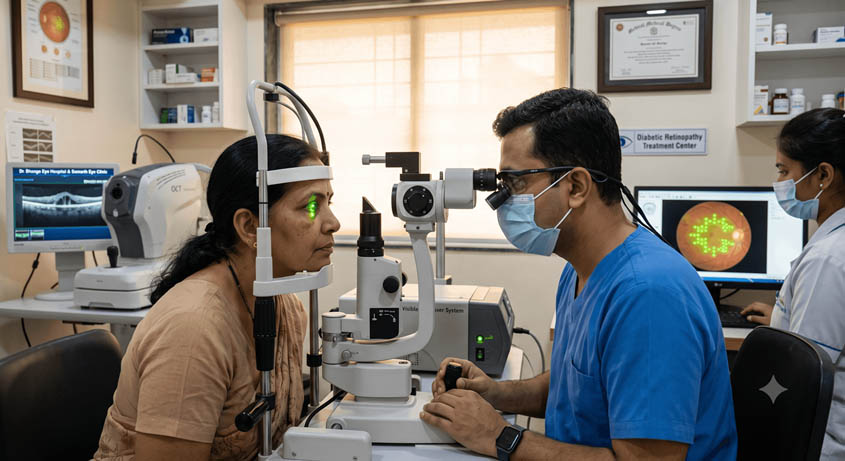
Why Early Detection is Important
One of the greatest challenges with diabetic retinopathy is that vision may remain normal even while the disease is progressing. Many patients only notice symptoms when retinal damage has already become significant.
Early diagnosis offers several advantages:
- Prevents irreversible vision loss
- Detects retinal damage before symptoms appear
- Allows timely laser or injection treatment
- Reduces the risk of diabetic macular edema
- Preserves long-term visual function
- Helps avoid complex retinal surgery
At Dr. Bhange Eye Hospital and Samarth Eye Clinic, every diabetic patient receives a detailed retinal evaluation to identify even the earliest signs of diabetic eye disease.
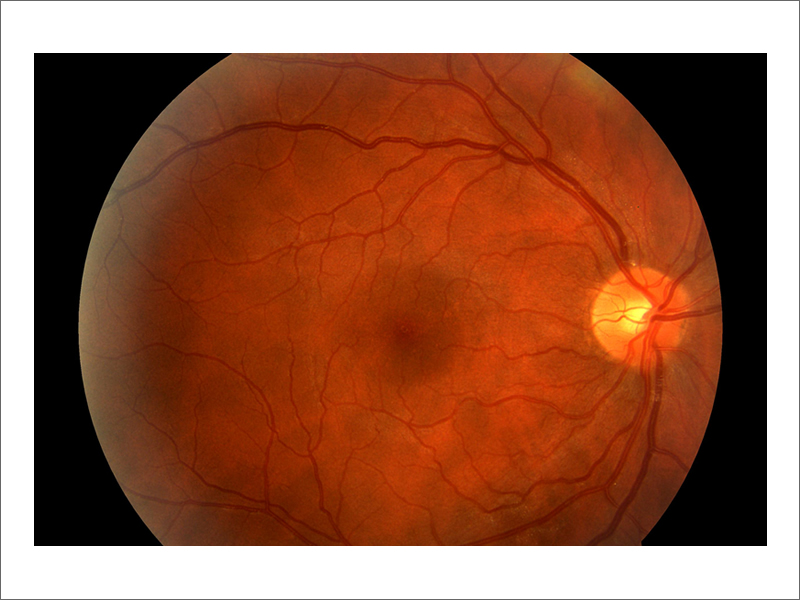
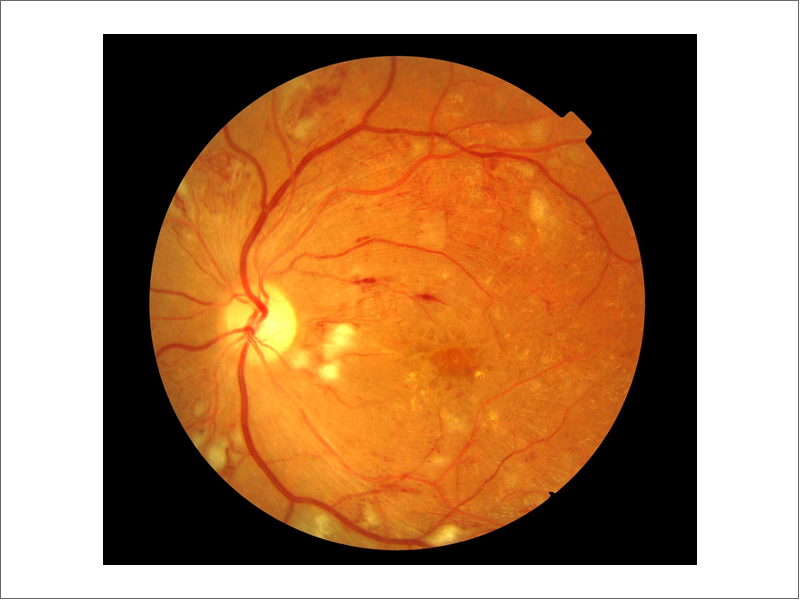
Diabetic Retinapathy
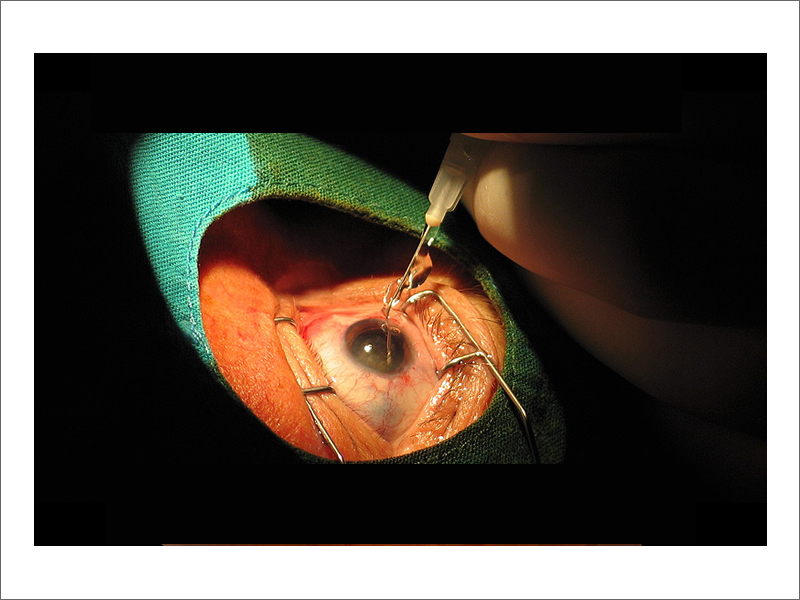
Intravitreal Injection
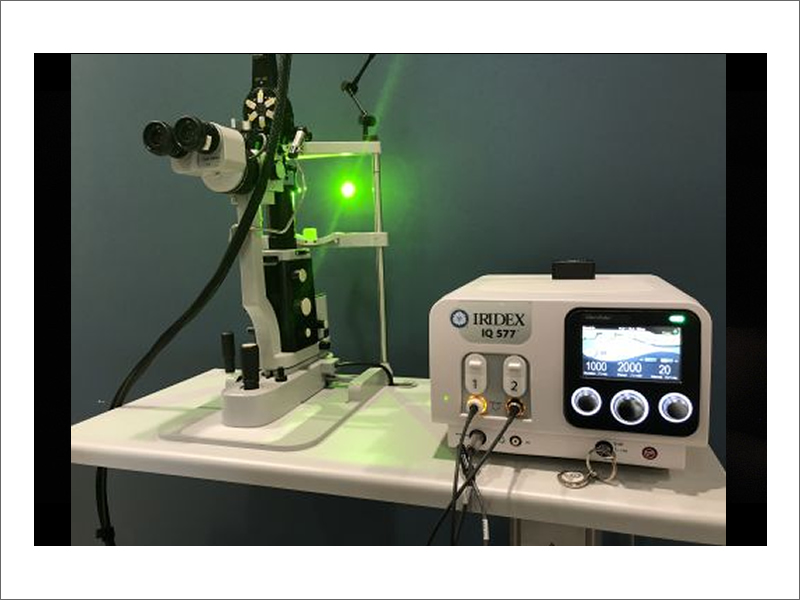
Laser Treatment - Green
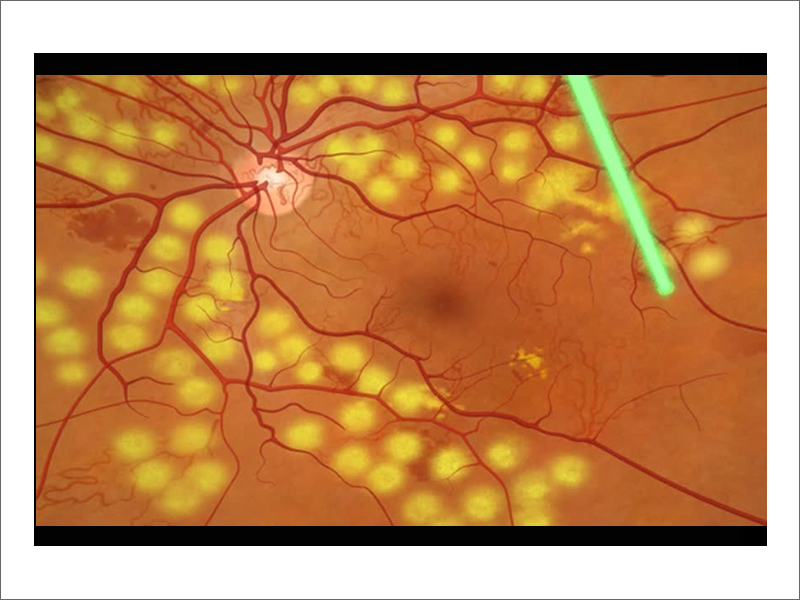
Laser Treatment - Yellow
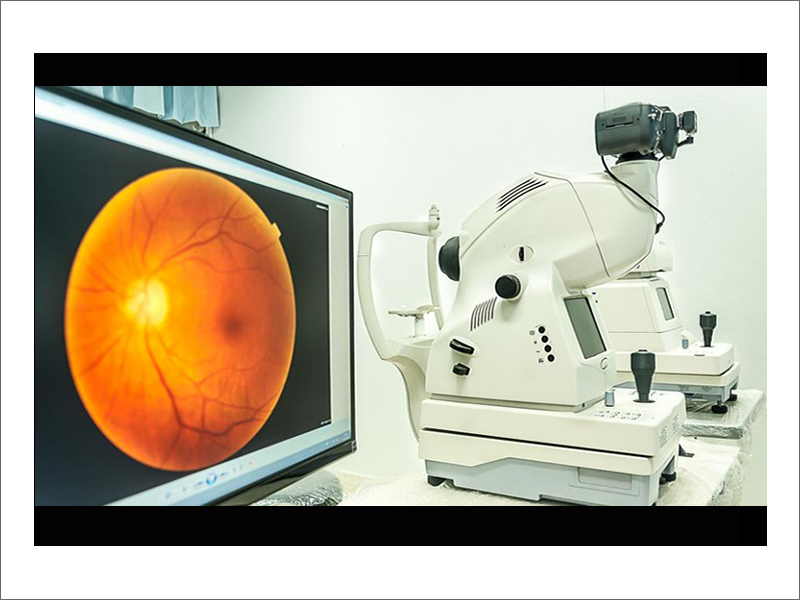
Evaluation
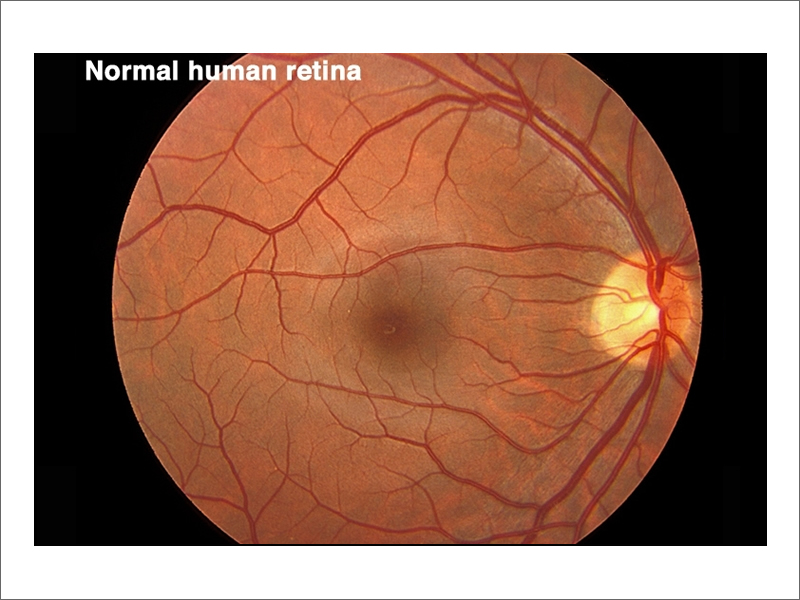
Fungus Photography
OTC
Who is at Risk?
Anyone with diabetes can develop diabetic retinopathy. The likelihood increases with the duration of diabetes and poor blood sugar control.
Risk factors include:
- Type 1 diabetes
- Type 2 diabetes
- Long-standing diabetes
- Poor HbA1c control
- High blood pressure
- High cholesterol
- Kidney disease
- Pregnancy with diabetes
- Smoking
- Obesity
- Family history of diabetic eye disease
Even patients with excellent vision should undergo annual retinal examinations because diabetic retinopathy may not produce symptoms in its early stages.
Symptoms of Diabetic Retinopathy
Symptoms often appear only after retinal damage has progressed.
Common symptoms include:
- Blurred vision
- Fluctuating vision
- Floaters
- Dark spots
- Difficulty reading
- Distorted vision
- Poor night vision
- Sudden vision loss
- Reduced color perception
- Shadow or curtain over vision
If you experience any of these symptoms, immediate consultation with a retina specialist is recommended.
Types of Diabetic Eye Disease Treatment
Mild Non-Proliferative Diabetic Retinopathy (NPDR)
The earliest stage where tiny retinal blood vessels weaken and develop microaneurysms.
Moderate NPDR
Retinal blood vessels become increasingly damaged, reducing oxygen supply.
Severe NPDR
A significant portion of retinal circulation becomes blocked, increasing the risk of advanced disease.
Proliferative Diabetic Retinopathy (PDR)
New abnormal blood vessels develop, increasing the risk of bleeding, retinal detachment, and permanent vision loss.
Diabetic Macular Edema (DME)
Fluid accumulates in the macula, the central part of the retina responsible for detailed vision. DME is one of the most common causes of vision impairment in diabetic patients.
Life After Diabetic Retinopathy Treatment Pune
Diabetic retinopathy treatment aims to preserve vision and prevent further retinal damage. While treatment can successfully control the progression of the disease, maintaining healthy vision requires ongoing diabetes management and regular follow-up eye examinations.
At Dr. Bhange Eye Hospital, Shukrawar Peth (Bajirao Road), and Samarth Eye Clinic, Anandnagar, Sinhagad Road, every patient receives a personalized follow-up plan based on the stage of diabetic retinopathy, overall eye health, and diabetes control. Regular retinal evaluations help detect any recurrence or progression at an early stage, allowing timely intervention and better visual outcomes.
Patients are advised to maintain healthy blood sugar levels, control blood pressure and cholesterol, follow a balanced diet, exercise regularly, and attend scheduled eye check-ups to protect their vision for the long term.
Tips to Prevent Diabetic Retinopathy
Although diabetic retinopathy cannot always be prevented, the risk of vision loss can be significantly reduced with proactive diabetes management and routine eye care.
Our ophthalmologists recommend:
- Keep your HbA1c within the target range advised by your physician.
- Schedule a comprehensive dilated retinal examination at least once every year.
- Monitor and control blood pressure and cholesterol levels.
- Follow a balanced, diabetes-friendly diet.
- Exercise regularly as advised by your healthcare provider.
- Avoid smoking and excessive alcohol consumption.
- Report any sudden changes in vision immediately.
- Continue regular retinal follow-up even if your vision appears normal.
Preventive eye care remains the most effective strategy for preserving eyesight in people living with diabetes.
Why Early Diabetic Eye Screening Matters
Many individuals with diabetic retinopathy experience no noticeable symptoms during the early stages. By the time vision begins to deteriorate, significant retinal damage may already have occurred.
Routine diabetic retinal screening enables ophthalmologists to identify subtle retinal changes before symptoms develop, allowing treatment to begin at the most effective stage.
Early screening can help:
- Preserve clear vision.
- Reduce the risk of diabetic macular edema.
- Minimize the need for complex retinal surgery.
- Prevent permanent vision loss.
- Improve long-term quality of life.
Whether you have recently been diagnosed with diabetes or have lived with the condition for many years, annual retinal screening is essential.
Why Choose Dr. Bhange Eye Hospital & Samarth Eye Clinic?
Choosing the right eye care provider is essential for protecting your vision. At Dr. Bhange Eye Hospital, Shukrawar Peth (Bajirao Road), and Samarth Eye Clinic, Anandnagar, Sinhagad Road, as diabetic eye specialist pune we combine clinical expertise, advanced technology, and compassionate care to deliver comprehensive diabetic retinopathy management.
Why patients trust us:
- 35+ years of trusted eye care in Pune
- Experienced ophthalmologists
- Comprehensive diabetic retinal evaluation
- Advanced OCT and retinal imaging
- Modern laser and surgical facilities
- Evidence-based treatment protocols
- Ethical and transparent medical care
- Personalized treatment plans
- Convenient locations in Shukrawar Peth and Sinhagad Road
- Patient-first approach with long-term follow-up care
Frequently Ask Questions
-
Can diabetic retinopathy be cured?
While retinal damage cannot always be reversed, early diagnosis and appropriate treatment can successfully control disease progression and preserve vision.
-
Does every diabetic patient develop diabetic retinopathy?
No. However, anyone with Type 1 or Type 2 diabetes is at risk, particularly if blood sugar levels remain uncontrolled over time.
-
How often should diabetic patients have an eye examination?
Most diabetic patients should undergo a comprehensive dilated retinal examination at least once a year. Your ophthalmologist may recommend more frequent visits depending on your condition.
-
Is diabetic retinopathy painful?
No. The disease usually progresses without pain, which is why regular eye screening is essential.
-
What is the treatment for diabetic retinopathy?
Treatment depends on the stage of the disease and may include laser therapy, intravitreal Anti-VEGF injections, vitrectomy surgery, or a combination of treatments.
-
Can diabetic retinopathy cause blindness?
Yes. If left untreated, diabetic retinopathy can lead to severe vision loss or blindness. Early diagnosis and treatment significantly reduce this risk.
-
What are the first signs of diabetic retinopathy?
Early stages often have no symptoms. As the disease progresses, patients may notice blurred vision, floaters, dark spots, or difficulty seeing at night.
-
Is laser treatment safe?
Retinal laser treatment is a well-established procedure used to reduce disease progression and protect vision in appropriate patients.
-
Can good blood sugar control prevent diabetic retinopathy?
Maintaining healthy blood sugar levels greatly reduces the risk of developing or worsening diabetic retinopathy.
-
Which hospital provides diabetic retinopathy treatment in Pune?
Dr. Bhange Eye Hospital, Shukrawar Peth, and Samarth Eye Clinic, Anandnagar, Sinhagad Road, provide comprehensive diabetic retinopathy diagnosis, retinal screening, and advanced treatment for patients across Pune.
Book an Appointment for Diabetic Retinopathy Treatment in Pune
If you have diabetes, protecting your vision should be an essential part of your healthcare routine. Early detection and timely treatment can prevent vision loss and help maintain lifelong eye health.
Dr. Bhange Eye Hospital, Shukrawar Peth (Bajirao Road), and Samarth Eye Clinic, Anandnagar, Sinhagad Road, provide comprehensive diabetic retinopathy screening, diagnosis, and advanced treatment using modern ophthalmic technology and evidence-based care.
Schedule your diabetic eye examination today and take the first step toward preserving your vision with expert retinal care in Pune.
Is your vision affecting daily life? Don’t delay treatment.
Even minor eye symptoms can worsen over time if left untreated. Consult our experienced eye specialists early for safe, effective, and personalized eye care. Visit Samartha Eye Clinic Sinhagad Road or Dr Bhange eye hospital in Shukrawar Peth Pune for timely diagnosis and expert ophthalmology treatment.
Contact Now: +91 9822146567 / +91 9422365690
Dr. Bhange Eye Hospital
- 1 st floor, Parshwanath Residency, 1333, Shukrawar Peth, Opp. Kumar Prestige Point, Bajirao Road, Pune
- +91 20 24470284
- +91 9422365690
Samarth Eye Clinic
- 6, Triveni Apartment, 1st Floor, Near Santosh Hall, Anandnagar, Sinhagad Road, Pune – 411 051
- +91 20 24358283
- +91 9822146567
Diabetic Retinopathy Treatment in Pune | Glaucoma Treatment in Pune | ICL Surgery In Pune | LASIK Eye Surgery In Pune | Affordable Cataract Surgery in Pune | Squint Eye Treatment in Pune | Vitreo Retinal Treatment In Pune | Phacoemulsification Cataract Surgery in Pune | Eye Specialist in Sinhgad Road Pune | Eye Clinic Near Me | Oculoplasty Surgeon in Pune | Oculoplasty Surgeon Near Me
Dr. Bhange Eye Hospital © 2026 All Right Reserved. Designed & Developed by Clarosys Technologies.